 Web Automation
50 clicks just to check one person
50 clicks per lookup cut to 1, 15-minute checks reduced to 10 seconds. Welfare equipment eligibility verification fully automated for franchise stores.
10 hours of daily pricing work reduced to zero. 200+ cosmetics products now auto-updated 24/7 with zero pricing errors across multiple e-commerce platforms.
A concern that grew with business success
This beauty company selling on multiple online commerce platforms had a serious concern. To stay competitive with pricing and visibility, they had to check and update lowest prices daily. As their product count exceeded 100 items, two employees had to spend 10 hours a day solely on this task. The bigger problem? As the business grew, so did this workload.
“When we passed 200 products, I wondered if we should hire more people. But should we really hire someone just for this repetitive task? And what if platforms increase to 3 or 4? What we really need to focus on is finding great products and introducing them to customers...”
— Beauty E-commerce CEO
Solving problems together with the client, step by step
The client had no IT project experience. They came to us with just one clear goal: 'automatic lowest price setting.' With an anxious expression, they asked, "Will this really work?" But we confidently answered, "We'll build it together."
The first meeting was different. Instead of sitting in a conference room listening to requirements, we visited their office directly and watched how the CEO and staff updated lowest prices in their daily routine. Starting at 9 AM, logging into each platform, alternating between Excel sheets and platform screens, entering prices one by one. "Why do you do it this way?" "What's the criteria for this calculation?" With each question, hidden business rules revealed themselves one by one.
The first technical barrier we faced was login. Each platform required login, and most importantly, the CAPTCHAs that appeared every time were a problem. How could we automate this process that requires manual input? We combined various bypass techniques and automation solutions to build a stable login system. Now the system handles login and authentication processes automatically.
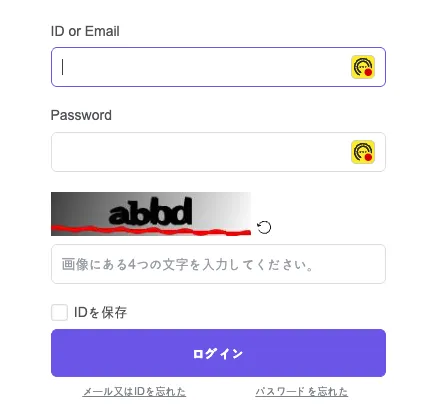
Login and authentication system using automation solutions
The next step was collecting lowest price data. To check the lowest price for a specific product, we needed the 'unique category value' of each product. Each platform had different ways of identifying products, and the HTML structure containing lowest price information varied. We analyzed browser network packets to reverse-engineer the necessary API endpoints, identifying platform-specific request formats and authentication headers. Based on this, we built a system to collect real-time lowest price data and convert it into structured format.
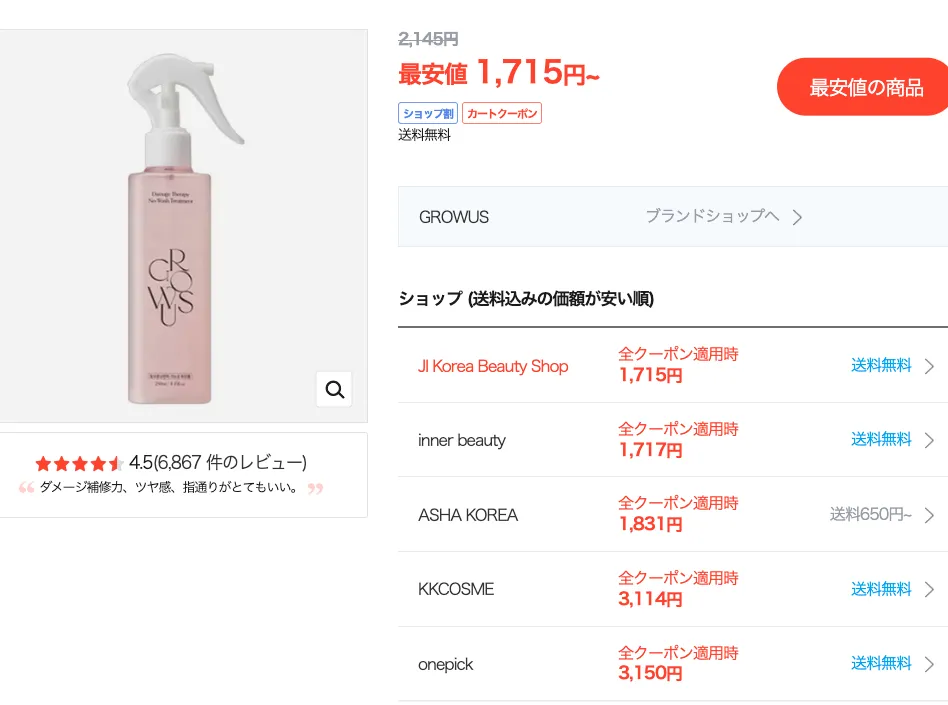
API drill-down via packet analysis and real-time data collection system
Price updating was another challenge. We had to accurately analyze the logic for modifying product prices on seller pages. It wasn't just calling APIs - we had to follow each platform's seller page UI flow exactly to send price modification requests. We implemented handling for different authentication methods and request formats across platforms.
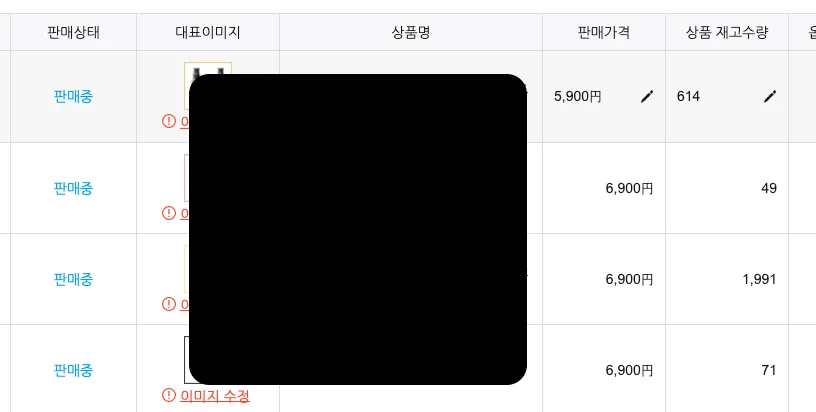
Multi-platform seller page automatic price update system
But the real difficulty started here. The lowest price calculation logic was not simple. Discount rates, customs, internal promotions, shipping costs, platform fees... all these variables were complexly intertwined. Not only that, there were detailed business rules like "This product should never be sold below 15,000 won minimum", "If current lowest is 20,000 won, set it to 19,500 won", "But if it's within 500 won of minimum, just use minimum price." We stood together with the CEO in front of a whiteboard, checking cases one by one and drawing the complex business logic into a flowchart. "What about this case?" "And that case?" Through repeated questions and answers, we completed the logic. We implemented all these complex rules requiring dozens of branches and exception handling into algorithms. It was the moment when hidden business know-how was systematized into code.
← Scroll horizontally to view the chart
Full flow from platform login to price update — how the automatic lowest price calculation works
We built it step by step together. We made it web-based so it could be accessed and modified from anywhere. The CEO needed to be able to access it from home or during business trips via phone. We configured the server to automatically set lowest prices, and built a responsively developed back office where everything could be controlled. We wanted to hear "This is easy to use!" rather than "This looks pretty!"
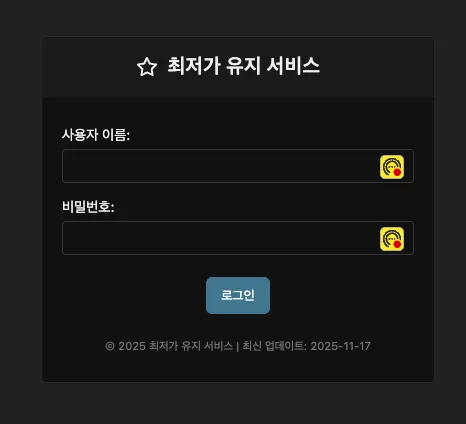
Web-based responsive backoffice - accessible anywhere via mobile/PC
We paid special attention to making the 'most important lowest price algorithm' usable like a formula. The CEO is not a developer. But they're proficient with Excel. So we made it possible to set the lowest price algorithm just like entering Excel formulas. Like "Competitor lowest * 0.95 - 500". I remember what the CEO said when first seeing this screen: "This feels familiar like Excel. I think I can modify this myself."
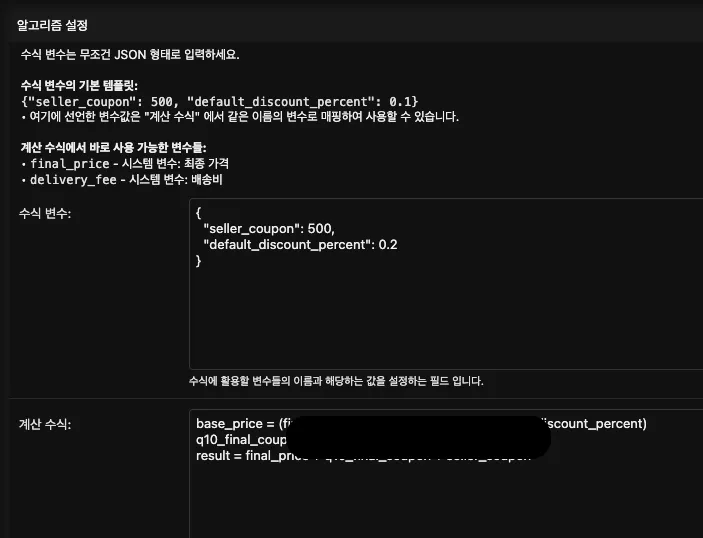
Intuitive lowest price algorithm formula settings like Excel - freely modifiable without a developer
A system running 24/7 means something could go wrong. So we built a real-time monitoring system. The theme can be switched between dark/light mode, and you can check in real-time when the lowest price setting process ran, which products were updated, and if there were any errors. Logs from 3 AM runs, weekend runs - all transparently visible.
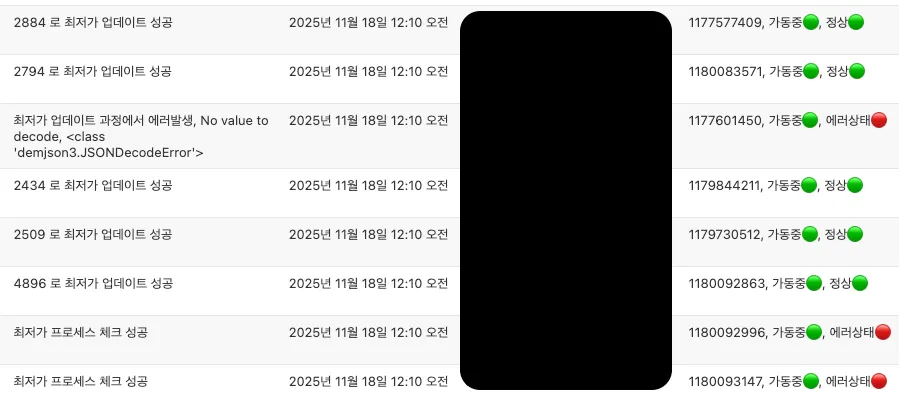
Real-time execution logs and monitoring dashboard - detailed tracking of success/failure and error messages
Finally, we secured flexibility in product management. You can see and manage 200+ products at a glance, and set individual rules for each product like 'turn auto-update on/off', 'what's the minimum price', 'sell on this platform only'. Adding new products is just a few clicks. Before, adding a new product meant adding a row to Excel and telling staff "Please check this too". Now, register once in the system and it's automatically managed.
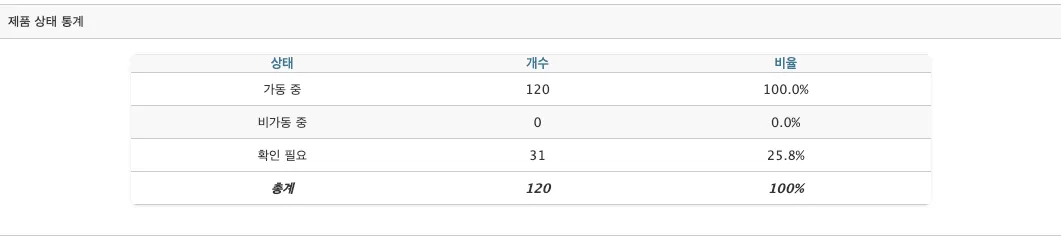
Manage 200+ products at a glance - real-time view of status, lowest price, update time
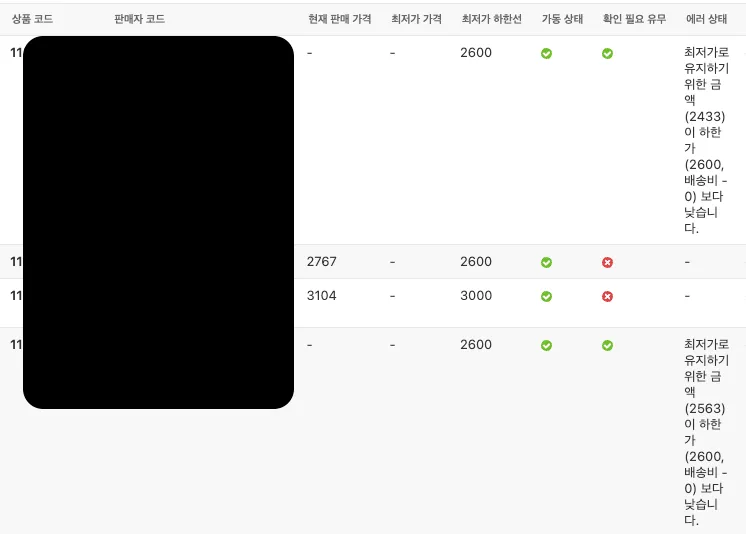
Detailed product rule settings - minimum price, auto-update toggle, platform-specific settings
Manage multiple commerce platforms in one system. No worries even when platforms are added.
Discounts, customs, promotions, shipping, platform fees... the system handles all the headache-inducing calculations. No more mistakes setting prices below minimum thresholds.
The CEO can directly set strategies like 'Competitor lowest * 0.95 - 500' as easily as using Excel. No developer needed.
What used to be done every morning at the office is now handled by the system 24/7. Prices update automatically even during vacations or weekends, and all logs are transparently recorded.
Employees now do what they really should be doing
Three months after implementing the system, we got a call from the CEO. "Employees don't check lowest prices first thing in the morning anymore. Instead, they contact customers who inquired yesterday and have new product planning meetings. I can now think about entering new platforms without worrying about pricing." We didn't just eliminate repetitive tasks - we enabled the team to focus on what really matters.
The two employees who updated prices now spend their time responding to customer inquiries and sourcing new products. "We used to check customer inquiries only in the afternoon, now we respond first thing in the morning. Customer satisfaction has noticeably increased." Monthly customer inquiry handling increased from 150 to 280 cases.
Six months later, they had over 400 products. In the past, they would've needed to hire 2 more people. With the system, you just add products and you're done. Platforms also increased from 2 to 4, but operating without additional staff.
They used to occasionally lose money from accidentally setting prices below minimum (average 2-3 times/month, average 500,000 won loss per incident). Now the system automatically checks, completely eliminating such incidents. That's preventing over 12 million won in losses per year.
The CEO now thinks about new platform entry, overseas market expansion, and new product line expansion without worrying about price management. "I used to be afraid of entering one more platform. It meant more to manage. Now? I'm actively looking for opportunities."
“Honestly, I was skeptical at first. We had no IT project experience, and I wasn't sure if this would actually work. But OTOworks came directly to our office, watched us work, and solved problems one by one. Now? I can't imagine how we worked without this. Scaling products and adding platforms is no longer a burden. It's actually an opportunity.”
Beauty E-commerce CEOCEO
Web Automation50 clicks per lookup cut to 1, 15-minute checks reduced to 10 seconds. Welfare equipment eligibility verification fully automated for franchise stores.
 Document Automation
12 hours of document sorting cut to 7 minutes with 98% accuracy. AI-powered classification freed an evaluation consulting firm to focus on actual assessments.
 Data Collection Automation
30-50% faster alerts with 0% message loss. Real-time monitoring of 100+ Korean e-commerce sites built for North America's leading cook group community.
Do you think "Our company's work is too complex to automate"? This client thought the same at first. Let's talk - solutions become clear when we discuss together.